1. Elderly Care Investment in Smart Technologies is Promising
The rising number of elderly people in China is driving a significant demand for quality products and
services, making the prospects for the “silver economy” very promising.
Yang Fan, an associate professor at the School of International and Public Affairs
in Shanghai Jiao Tong University’s China Institute for Urban Governance,
emphasizes that investing in smart technologies to assist older adults is a key strategy.
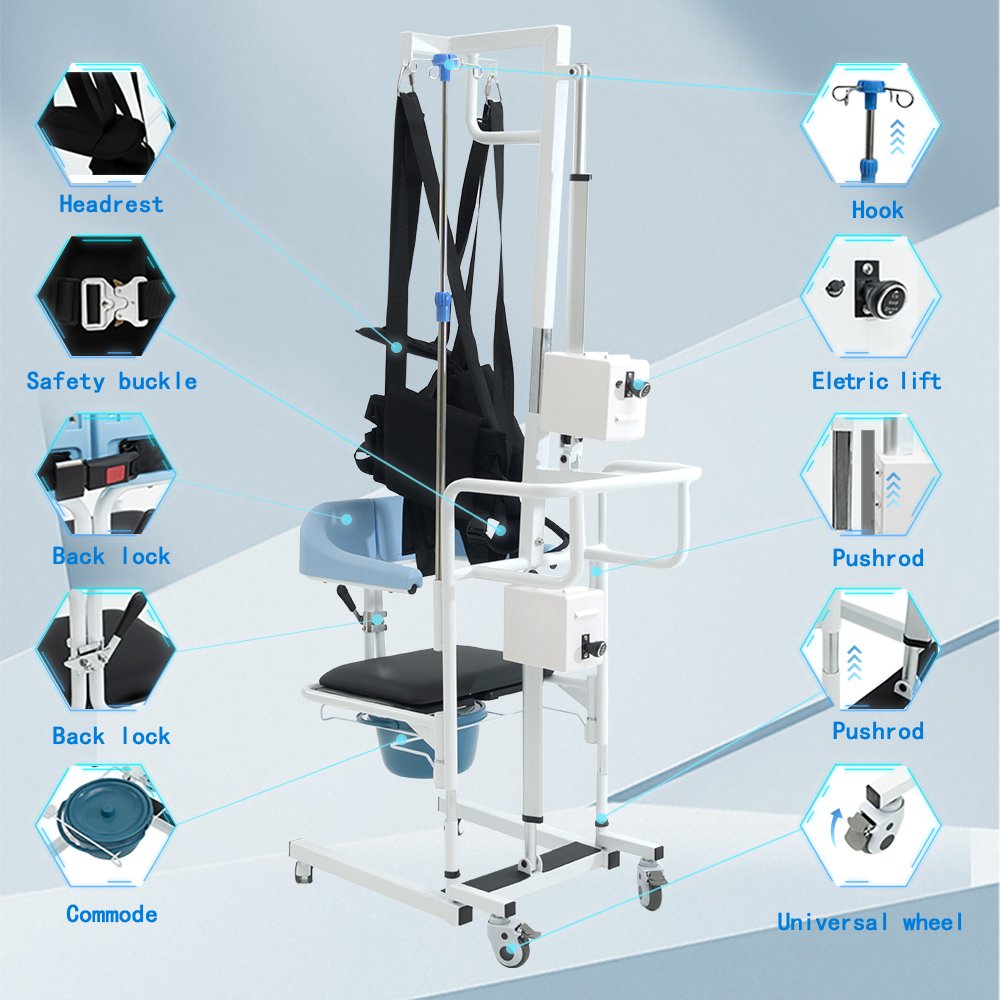
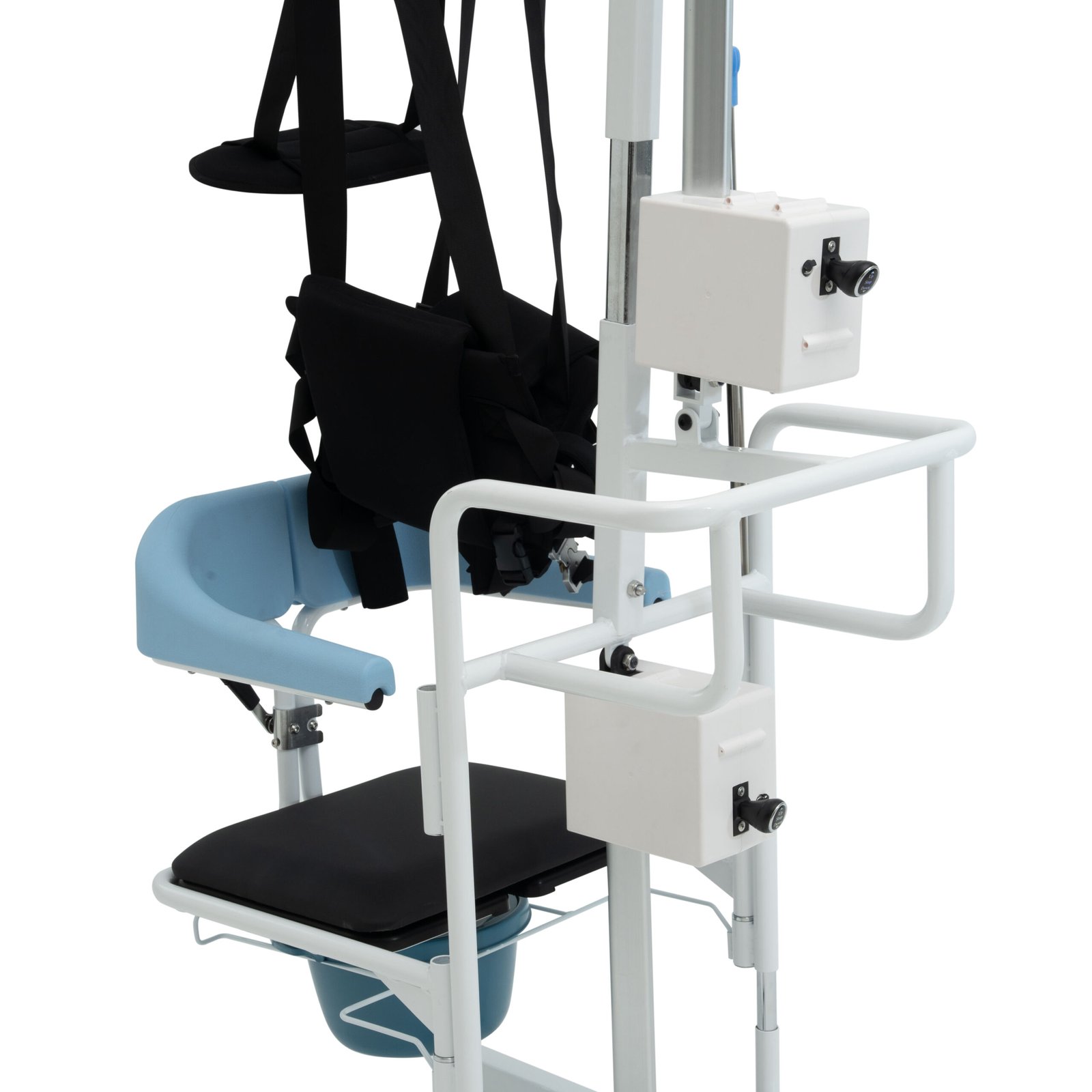
This includes the development and deployment of elderly transfer machines,
which are becoming increasingly important in enhancing the quality of life for the elderly.
2. Technological Advancements in Elderly Transfer Machines
Elderly transfer machines are designed based on ergonomic principles,
utilizing mechanical structures to facilitate smooth patient transfers.
These machines often employ electric or pneumatic drive systems,
combined with adjustable support systems to accommodate elderly individuals of
different body types and weights.
The design of the operation interface emphasizes user-friendliness,
ensuring that caregivers can easily master the usage methods and reduce operational difficulties
3. Impact on Care Efficiency and Caregiver Workload
In practical applications, elderly transfer machines have significantly
improved care efficiency and reduced the workload of caregivers.
Research studies indicate that the use of transfer machines
effectively decreases the risk of secondary injuries in the elderly due to improper transfers,
such as falls and fractures.
Moreover, these machines promote the self-care abilities of the elderly,
enhancing their sense of social participation and quality of life
4. Challenges and Future Directions
Despite the numerous advantages, the practical application of elderly transfer machines
still faces some challenges.
The high cost of these machines makes it difficult for families with limited financial resources
to afford long-term use.
Additionally, the applicability of transfer machines is limited, especially for elderly individuals
who are extremely weak or have special medical conditions,
requiring more personalized designs. Maintenance and upkeep also pose significant challenges,
necessitating regular inspections and repairs by professionals.
To address these issues, future developments should focus on reducing costs, improving applicability,
and strengthening maintenance and upkeep. Technological innovation and
large-scale production can lower manufacturing costs, while enhancing personalized design
can meet the special needs of different elderly individuals.
Establishing a comprehensive maintenance and upkeep system can improve
the lifespan and safety of transfer machines
5. Innovative Approaches in the Field
Companies like Dawn Yiyang (Xiamen) Health Technology Co., Ltd. are actively exploring new technologies,
materials, and design concepts to improve elderly transfer machines.
They encourage team members to break traditional thinking and innovate,
investing in research and development to optimize product performance, enhance functionality,
and strengthen safety and comfort
6. Human-Machine Collaborative Systems
Recent studies have proposed human-machine collaborative transfer systems to alleviate
the strain on caregivers’ lower backs while ensuring the elderly can use the devices with peace of mind.
These systems are designed to reduce the risk of injury to both the elderly and caregivers
during transfer movements
7. CES Tech for the Aging Population
At the Consumer Electronics Show (CES) 2025, several technologies were showcased to
help the world’s aging population.
These include gadgets that monitor for falls, provide companionship, and ensure medication is taken,
all aimed at helping older adults live longer and more independent
8. Impact of Robotics in Nursing Homes
A new study from the University of Notre Dame found that the use of robots in nursing homes
is associated with increased employment and employee retention,
improved productivity, and higher employee satisfaction. This suggests that integrating robotics
into elderly care can have significant benefits for both caregivers and the elderly
In summary, the development and implementation of elderly transfer machines and
related technologies are crucial in addressing the challenges of an aging population.
While there are challenges to overcome, the potential benefits for caregivers and the
elderly are substantial, making this a promising area for future innovation and investment.