I. Introduction
With the global trend of aging intensifying, the demand for elderly care is growing rapidly.
Among the various assistive devices, the elderly transfer machine plays a crucial role in the daily lives
and medical care of the elderly. This report aims to provide a comprehensive analysis of the existing
literature on elderly transfer machines, exploring their design principles, application effects, existing
issues, and future development directions. The goal is to offer references for research and application
in related fields.
II. Analysis of Design Principles of Elderly Transfer Machines
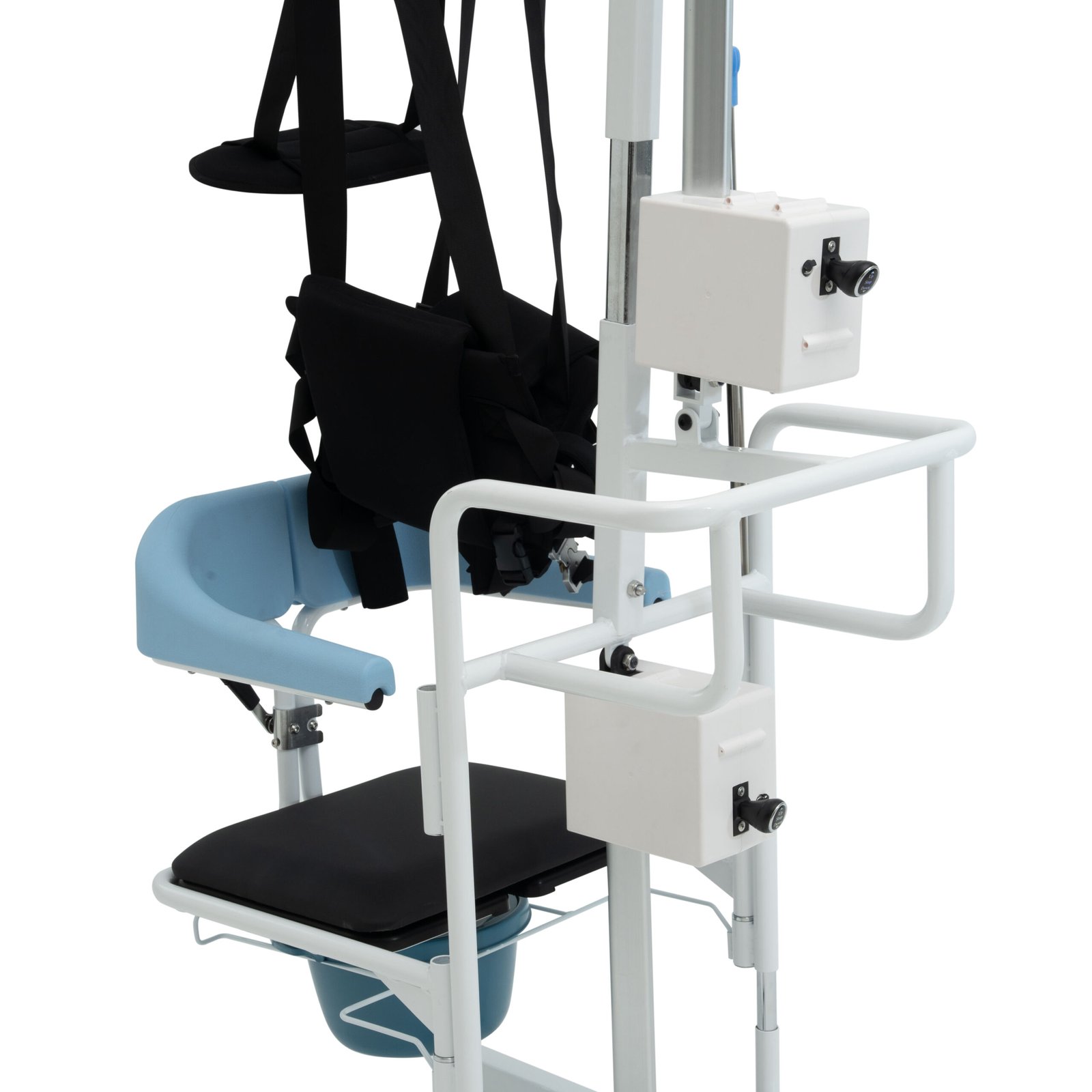
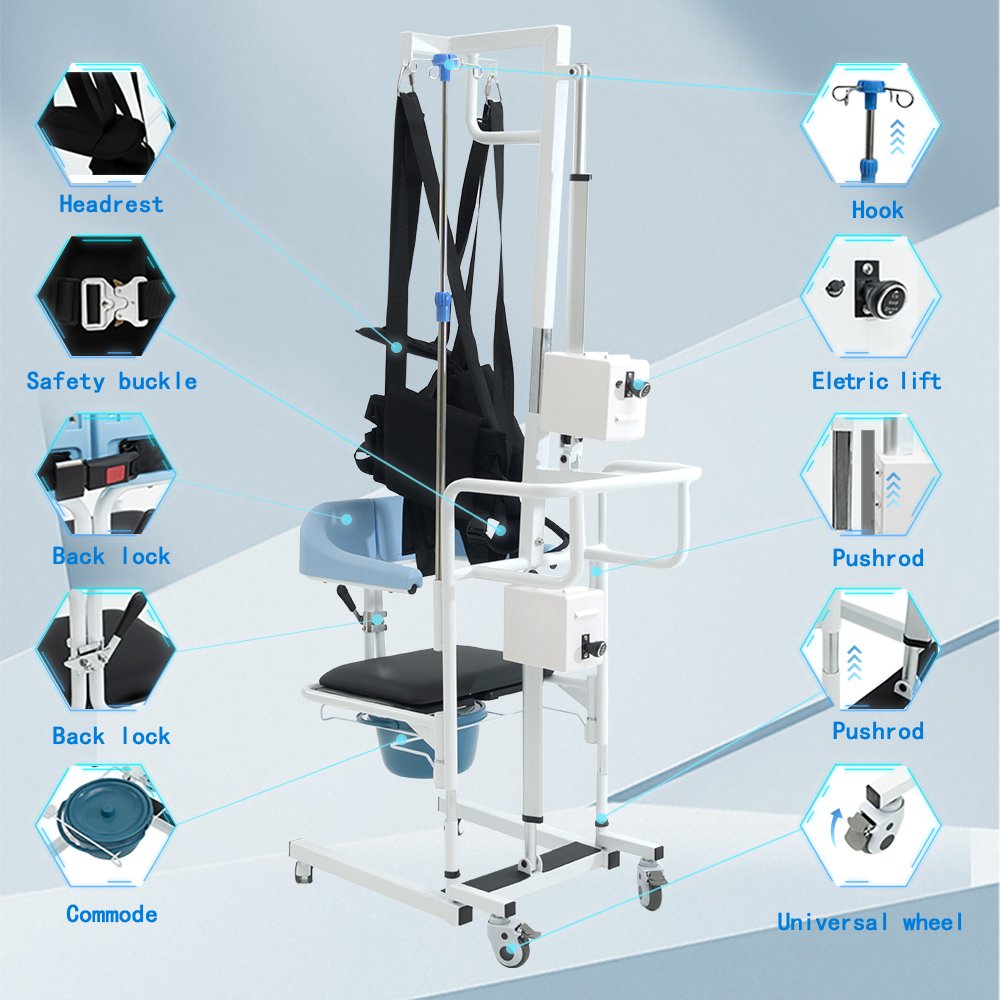
Elderly transfer machines are primarily designed based on ergonomic principles,
utilizing mechanical structures to achieve smooth patient transfers.
Literature indicates that these machines often employ electric or pneumatic drive systems,
combined with adjustable support systems to accommodate elderly individuals of different body types
and weights. Additionally, the design of the operation interface emphasizes user-friendliness,
ensuring that caregivers can easily master the usage methods and reduce operational difficulties.
III. Evaluation of Application Effects
In practical applications, elderly transfer machines have significantly improved care efficiency
and reduced the workload of caregivers. Research studies point out that the use of transfer machines
effectively decreases the risk of secondary injuries in the elderly due to improper transfers, such as
falls and fractures. Moreover, transfer machines promote the self-care abilities of the elderly,
enhancing their sense of social participation and quality of life.
IV. Existing Issues and Challenges
Despite the numerous advantages of elderly transfer machines, their practical application still faces
some challenges. Firstly, the cost of transfer machines is relatively high, making it difficult for families
with limited financial resources to afford long-term use. Secondly, the applicability of transfer
machines is limited, especially for elderly individuals who are extremely weak or have special medical
conditions, requiring more personalized designs. Additionally, the maintenance and upkeep of transfer
machines pose a significant challenge, necessitating regular inspections and repairs by professionals.
V. Future Development Directions
To address the aforementioned issues, the future development of elderly transfer machines should
focus on reducing costs, improving applicability, and strengthening maintenance and upkeep.
On one hand, technological innovation and large-scale production can lower the manufacturing costs
of transfer machines, making them more widespread. On the other hand, enhancing the personalized
design of transfer machines can meet the special needs of different elderly individuals. At the same time,
establishing a comprehensive maintenance and upkeep system can improve the lifespan and safety of
transfer machines.