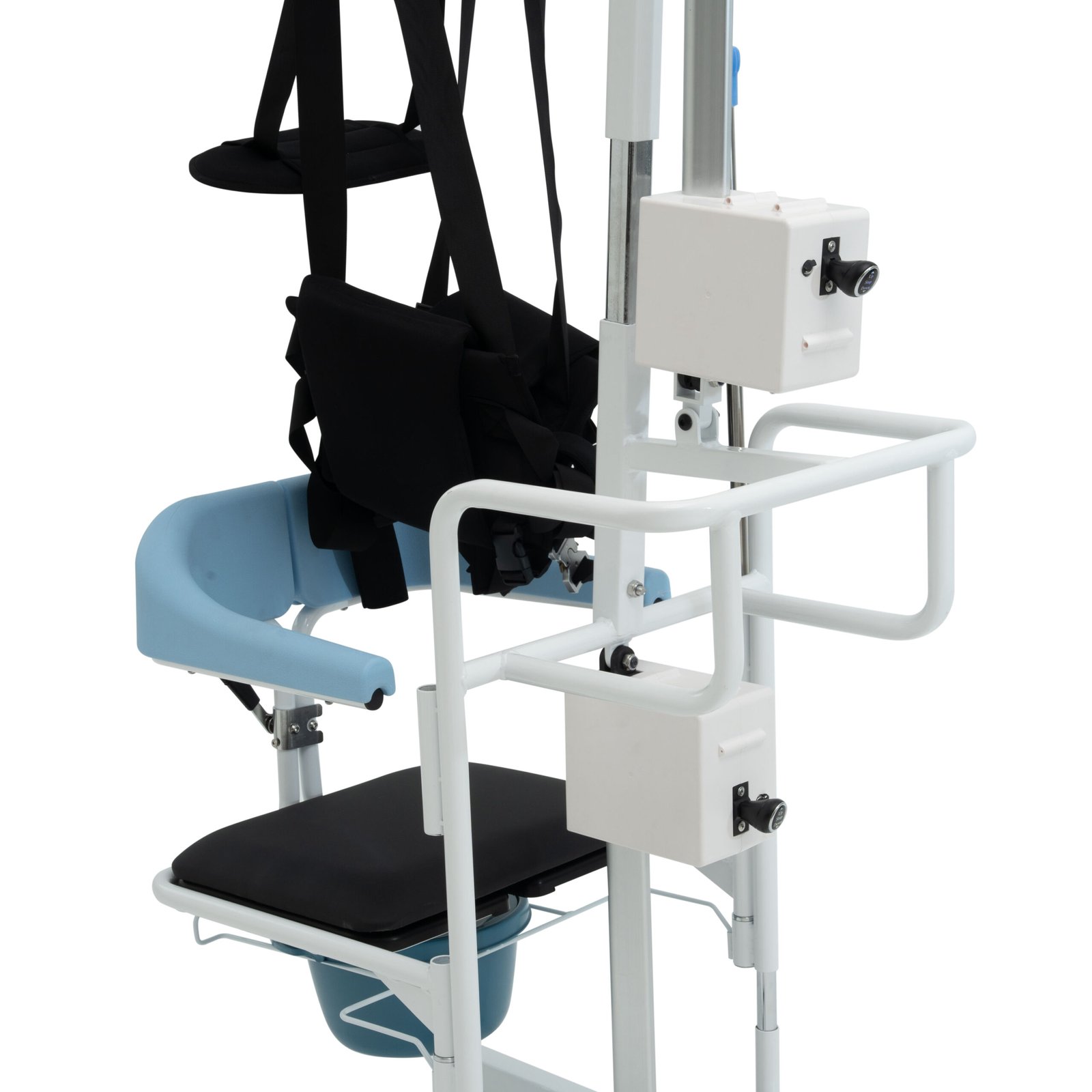
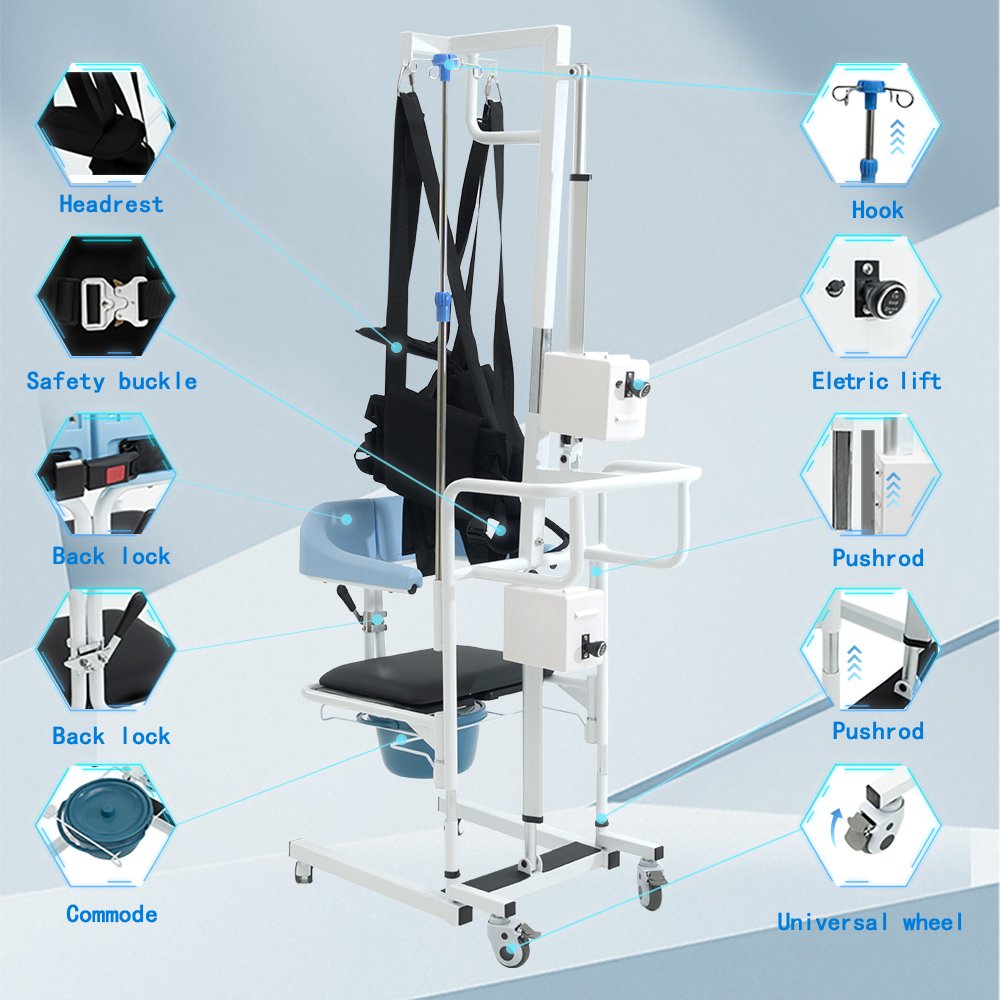
I. Introduction With the global trend of aging intensifying, the demand for elderly care is growing rapidly. Among the various assistive devices, the elderly transfer machine plays a crucial role in the daily lives and medical care of the elderly. This report aims to provide a comprehensive analysis of the existing literature on elderly transfer machines, exploring their design principles, application effects, existing issues, and future development directions. The goal is to offer references for research and application in related fields. II. Analysis of Design Principles of Elderly Transfer Machines Elderly transfer machines are primarily designed based on ergonomic principles, utilizing mechanical structures to achieve smooth patient transfers. Literature indicates that these machines often employ electric or pneumatic drive systems, combined with adjustable support systems to accommodate elderly individuals of different body types and weights. Additionally, the design of the operation interface emphasizes user-friendliness, ensuring that caregivers can easily master the usage methods and reduce operational difficulties. III. Evaluation